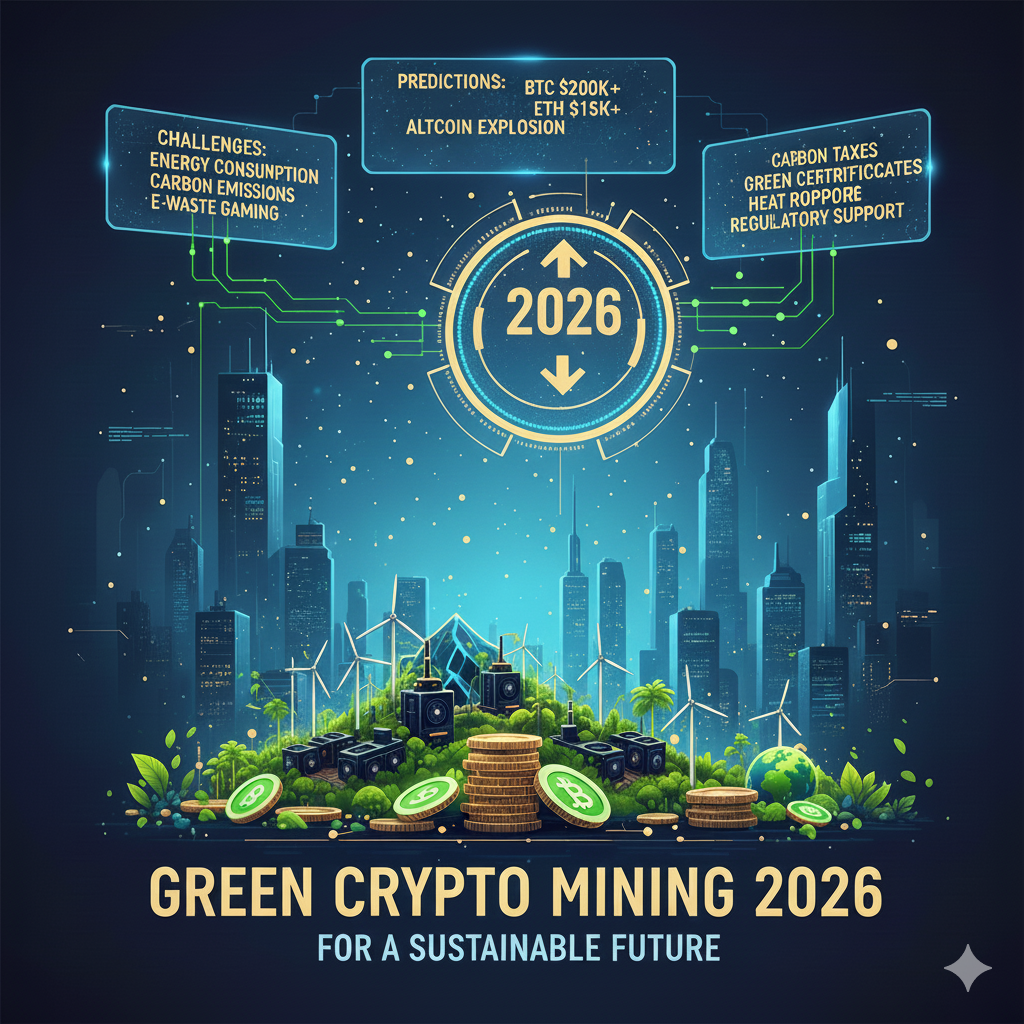
Bitcoin mining continues to be a major topic of discussion across the globe in 2026 due to its significant environmental impact. As the industry expands, understanding the intricacies of its sustainability challenges, groundbreaking innovations, and evolving policy landscape becomes essential for stakeholders and environmental advocates alike.
The Growing Environmental Impact of Bitcoin Mining
Bitcoin mining, the process through which transactions are validated and new coins are generated, is an energy-intensive activity. Despite advancements, this energy consumption remains a contentious topic.
1. Energy Consumption Trends in 2026
Recent studies estimate that Bitcoin mining consumes approximately 120 terawatt-hours (TWh) annually, rivaling the energy usage of some small countries. Its carbon footprint largely depends on the geographic energy sources powering mining operations:
- Coal-powered mining facilities: Some regions still rely heavily on fossil fuels, increasing carbon emissions.
- Renewable energy-based mining: Others have transitioned to hydropower, solar, and wind energy.
2. Carbon Footprint and Ecological Concerns
Bitcoin mining contributes an estimated 50 million metric tons of CO2 annually. This impact raises critical concerns over:
- Climate change acceleration
- Air pollution in mining-heavy regions
- Depleting natural resources necessary for hardware production
Key Challenges Facing Bitcoin Mining Sustainability
Moving toward sustainable Bitcoin mining in 2026 involves tackling several core challenges:
1. Dependence on Non-Renewable Energy
While renewable energy usage is growing, many miners still rely on cheap non-renewable sources. Fluctuating energy prices and infrastructure gaps continue to restrict widespread renewable adoption.
2. Increasing Mining Difficulty and Equipment Waste
The Bitcoin network’s increasing difficulty level demands more powerful, energy-heavy mining rigs. This trend results in:
- Rising electricity consumption
- Shortened hardware lifecycle producing e-waste
3. Centralization Risks and Energy Inefficiency
Mining centralization in regions with cheap electricity leads to significant energy inefficiencies and increased environmental burdens concentrated in select areas.
Innovations Driving Sustainable Bitcoin Mining in 2026
Despite challenges, the Bitcoin mining ecosystem is evolving rapidly with promising innovations focused on sustainability.
1. Integration of Renewable Energy Sources
Mining farms are increasingly adopting renewable energy solutions to reduce their carbon footprints:
- Hydropower and solar farms: Locations with abundant renewable resources are becoming mining hubs.
- Energy sharing initiatives: Some miners collaborate with local grids to optimize surplus renewable energy use.
2. Next-Generation Energy-Efficient Mining Hardware
Advancements in ASIC (Application-Specific Integrated Circuit) design have led to:
- Higher hash rates with lower power consumption
- Better heat recycling mechanisms to reduce energy waste
3. Carbon Offset and Green Token Integration
Some miners are purchasing verified carbon credits and integrating blockchain solutions that explicitly track and offset mining-related emissions.
4. Waste Heat Recovery Systems
Innovative systems now capture and repurpose waste heat from mining rigs to support heating in residential and agricultural settings, improving overall energy efficiency.
Policy Responses and Regulatory Frameworks in 2026
Governments and international organizations are actively responding to the environmental concerns linked to Bitcoin mining through diverse policy actions.
1. Environmental Regulations and Energy Standards
Many countries have introduced strict energy efficiency and emission standards targeting crypto mining operations:
- Mandatory renewable energy quotas for mining facilities
- Carbon taxation schemes to discourage fossil fuel usage
2. Incentive Programs for Green Mining
To encourage sustainable mining practices, policies now include:
- Grants and tax credits for renewable energy investments in mining
- Support for research in energy-efficient mining technologies
3. International Cooperation and Standardization
Global bodies have begun creating cryptocurrency mining sustainability standards to harmonize regulations and ensure accountability.
4. Transparent Reporting and Blockchain Governance
Regulatory measures increasingly require miners and exchanges to publicly report energy consumption and sustainability metrics tied to their operations.
The Future Outlook: Toward a Sustainable Bitcoin Mining Ecosystem
As we approach the latter half of the decade, the sustainability of Bitcoin mining hinges on a delicate balance between innovation, regulation, and global cooperation:
- Technological progress will continue to improve energy efficiency and reduce carbon footprints.
- Renewable energy integration will become the standard rather than the exception.
- Policy enforcement will ensure environmentally responsible mining practices.
Consumers, investors, and environmental advocates must remain engaged to promote transparency and incentivize greener mining operations. With concerted efforts, Bitcoin mining in 2026 and beyond can evolve into a more sustainable and environmentally conscious industry.
Conclusion
The environmental impact and sustainability of Bitcoin mining in 2026 represent a complex but addressable challenge. By understanding the core challenges, embracing innovations, and supporting effective policy responses, the crypto mining industry can progress toward a greener future. Continuous collaboration between industry leaders, governments, and environmental groups will be paramount in shaping a sustainable blockchain ecosystem.